45 how to read nutrition facts | food labels made easy
Quick Tips for Reading the Nutrition Facts Label Use Percent Daily Value (%DV) as a guide. The %DV shows how much a nutrient in a serving of the food contributes to a total daily diet. As a general guide: 5% DV How to Read Nutrition Labels - Top 10 Facts - NDTV Food Saccharin, Aspartame, Acesulfame-K, Sucralose, Neotame, Glycerol, Erythritol, Maltitol, Lactitol. ( Top 10 must-know facts about Aspartame) 9. MSG or Monosodium Glutamate - It is used as a flavor enhancer and is found in salad dressings, ready-to-eat soups, canned vegetables and chips.
3 Ways to Read Nutrition Facts on Food Labels - wikiHow Find the serving size at the top of the label. Serving size refers to how much of an item you are intended to eat in a single meal. Every number listed beneath "total fat" is calculated based on the amount contained in a single serving.

How to read nutrition facts | food labels made easy
How to Read Nutrition Labels - Verywell Fit But fat is higher in calories than protein and carbohydrates, so it helps to be mindful of the amount you consume. When you read the nutrition label, first check the total number of fat grams (red arrows) in the food. Then check the numbers below (yellow arrows) for further information. How to Read Nutrition Facts Labels the Right Way - GoodRx A good goal is to aim to consume the following amounts of protein during the day: At each meal: 20 to 30 g (about one small chicken breast or fish filet) With snacks: About 10 to 15 g (about two eggs or half a cup of Greek-style yogurt) Also, keep in mind that more isn't necessarily better. How to Read Nutrition Facts Label - Food Network Total Fat: This number only tell you the total amount of fat in 1 serving of food. Keep in mind that we want to get about 20% to 35% of our total calories from fat each day based on the Dietary ...
How to read nutrition facts | food labels made easy. How to read nutrition facts on food labels? Food Labels to Read. Step 1: Determine the number of servings and the number of calories per serving. The serving size determines all of the information on a food label. Step 2: Determine the amount of fat in the dish. Step 3: Determine the amount of cholesterol in your system. Step 4: Make sure the sodium level is correct (salt). The Basics of the Nutrition Facts Label Step 4: Check Out the Nutrition Terms. Low calorie: 40 calories or less per serving. Low cholesterol: 20 milligrams or less and 2 grams or less of saturated fat per serving. Reduced: At least 25% less of the specified nutrient or calories than the usual product. Good source of: Provides at least 10 to 19% of the Daily Value of a particular ... How To Read Food and Beverage Labels | National Institute on Aging At the top of the Nutrition Facts label, you will find the total number of servings in the container and the food or beverage's serving size. The serving size on the label is based on the amount of food that people may typically eat at one time and is not a recommendation of how much to eat. Read more about serving and portion sizes. Nutrition Facts: How to Read Nutrition Labels - Greatist Here are some to look for: Calorie-free: Less than 5 calories per serving. Low calorie: 40 calories or less per serving. Reduced calorie/fat: At least 25 percent less calories/fat than the ...
How to Read Nutrition Facts | Food Labels Made Easy - YouTube To support our channel and level up your health, check out:Our Fast Weight Loss Course: B... How to Understand and Use the Nutrition Facts Label | FDA It's important to realize that all the nutrient amounts shown on the label, including the number of calories, refer to the size of the serving. Pay attention to the serving size, especially how ... How to Read a Nutrition Facts Label - American Bone Health Daily Values for nutrients have been updated, which may make the percent Daily Value higher or lower on the new Nutrition Facts label. As a general guide: 5% DV or less of a nutrient per serving is considered low. 20% DV or more of a nutrient per serving is considered high. The footnote at the bottom of the label has been updated to better ... Understanding Food Nutrition Labels | American Heart Association Remember that the information shown in the label is based on a diet of 2,000 calories a day. You may need less or more than 2,000 calories depending upon your age, gender, activity level, and whether you're trying to lose, gain or maintain your weight. When the Nutrition Facts label says a food contains "0 g" of trans fat, but includes ...
The Nutrition Facts Label: How to Read Nutrition Fact Label 1. Serving Information. Right at the top of the label, you'll see a bold heading that states Nutrition Facts. Directly below that will be a description of the number of servings per container and the standard serving size. The size of servings has been standardized to make it easier to compare similar food items. How to Read a Nutrition Facts Label | St. Joseph Health Label Reading Tip: Individual packages often contain more than one serving, even small items like a bag of chips or bottle of soda. Before you buy, multiply the nutritional values by a realistic portion for you. 2. Check Calories. A calorie is a unit of measure for how much energy you will get from one serving of food. How to Read Nutrition Labels: Food Facts - University Health News How to Read Nutrition Labels: Carbohydrates. Carbs get a bit of a bad rap, but the truth is that your body needs carbohydrates for energy. The Dietary Guidelines for Americans 2015-2020 suggest that between 45 and 65 percent of your daily calories should come from carbohydrates. For a 2,000-calories-per-day diet, that means 900 to 1,300 calories. How to Read a Nutrition Facts Label - The Family Meal Project The nutrition terms on the label are there to tell you more about some of the nutrients in the food item you are looking at. Calorie Free - less than 5 calories per serving. Low Calorie - 40 calories or less per serving. Fat Free/Sugar Free - less than 1/2 gram of fat or sugar per serving. Low Fat - 3 grams or less of fat per serving.
34 How To Read Electricity Facts Label - Labels Database 2020
How to Read Nutrition Facts Labels - Action for Healthy Kids Choosing foods that have smaller percentage Daily Value for saturated fat, added sugars and sodium. A small percentage or low amount of a specific nutrient is considered 5% DV or less. Choosing foods that have higher percentage Daily Value for vitamins, minerals and fiber. A higher percentage of a specific nutrient is considered 20% DV or more.

Nature Valley Granola Bars Nutrition Label - Pensandpieces
Food Labels | CDC All the numbers on this label are for a 2/3-cup serving. This package has 8 servings. If you eat the whole thing, you are eating 8 times the amount of calories, carbs, fat, etc., shown on the label. Total Carbohydrate shows you types of carbs in the food, including sugar and fiber. Choose foods with more fiber, vitamins, and minerals.
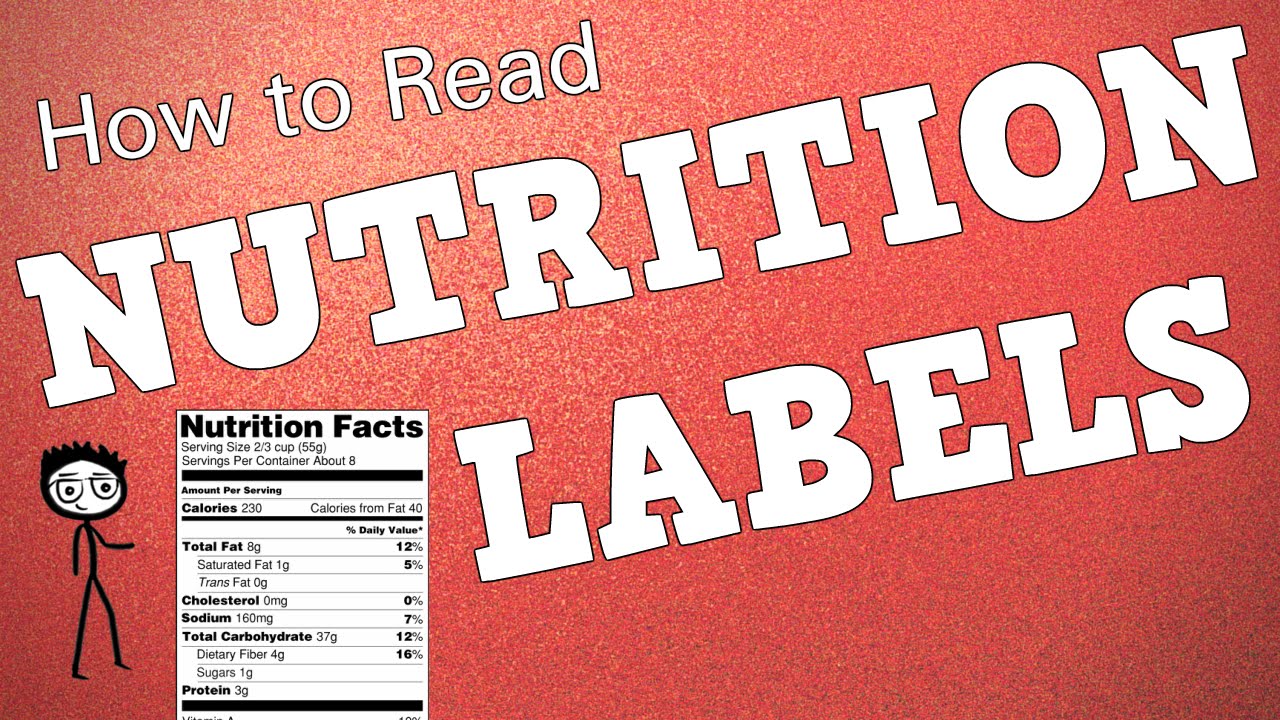
How to Read Nutrition Facts | Food Labels Made Easy - YouTube
Nutrition Facts Labels - How to Read - For Kids - Dr. Smarty Nutrition Facts Labels - How to Read - For Kids - Animation for American Nutrition facts labels explained.

32 Rice Krispies Cereal Nutrition Label
PDF How Do I Understand the "Nutrition Facts" Label? Lifestyle + Risk Reduction Diet + Nutrition ANSWERS by heart The Nutrition Facts label contains this information: • Serving size — tells you how much of the food is considered a "serving."

Pin on nutrition labels
How to Read a Nutrition Facts Label (Video) - Johns Hopkins All ... How to Read a Nutrition Facts Label (Video) Most packaged foods come with a Nutrition Facts label. These labels have a lot of important information — on fat and calories, serving sizes, sodium content, and more — but they're hard to understand. Watch this video for tips on figuring out food labels so you can make healthy choices. This opens ...

The WATCHMAN Device: An Alternative Treatment to Blood Thinners
How to Read a Nutrition Facts Label | Openfit Though this information is listed at the bottom of the nutrition label, it's the best place to start. Reading this section first might save you time because, depending on what ingredients are included, you might not want to bother reading the rest of the label. The ingredients are listed in descending order, "with the ingredients used in ...

How to Read Canada's Nutrition Facts Labels | Reader's Digest Canada
How to Read the Nutrition Facts Label on Packaged Foods Sodium. Many people get far too much salt, or sodium. Most of it is in packaged foods and restaurant items. Limit salt to 2,300 milligrams (about 1 teaspoon) daily. If you have high blood pressure ...
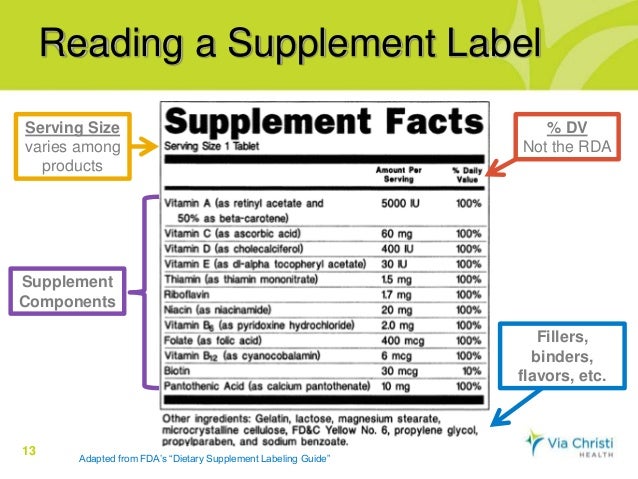
35 Rda Food Label
How to Use the Nutrition Fact Label, Eat Right, NHLBI, NIH When using the Nutrition Facts label as a guide, try these tips: Keep these low: saturated fats, trans fats, cholesterol, and sodium. Get enough of these: potassium, fiber, vitamins A and C, calcium, and iron. Use the Percent Daily Value (% DV) column when possible; 5% DV or less is low, 20% DV or more is high. Visit the Smart Food Shopping ...
Post a Comment for "45 how to read nutrition facts | food labels made easy"